



HomeAbout UsPartnersComplicationsDiabetes NewsProductsContact
 

Complications


Diabetes Drugs Information

Diabetes Drugs Information


  • Diabetes in the US
  • Type I Diabetes
  • Type II Diabetes
  • Pre-Diabetes
  • Complications
  • Diabetes Vocabulary

Diabetes In America

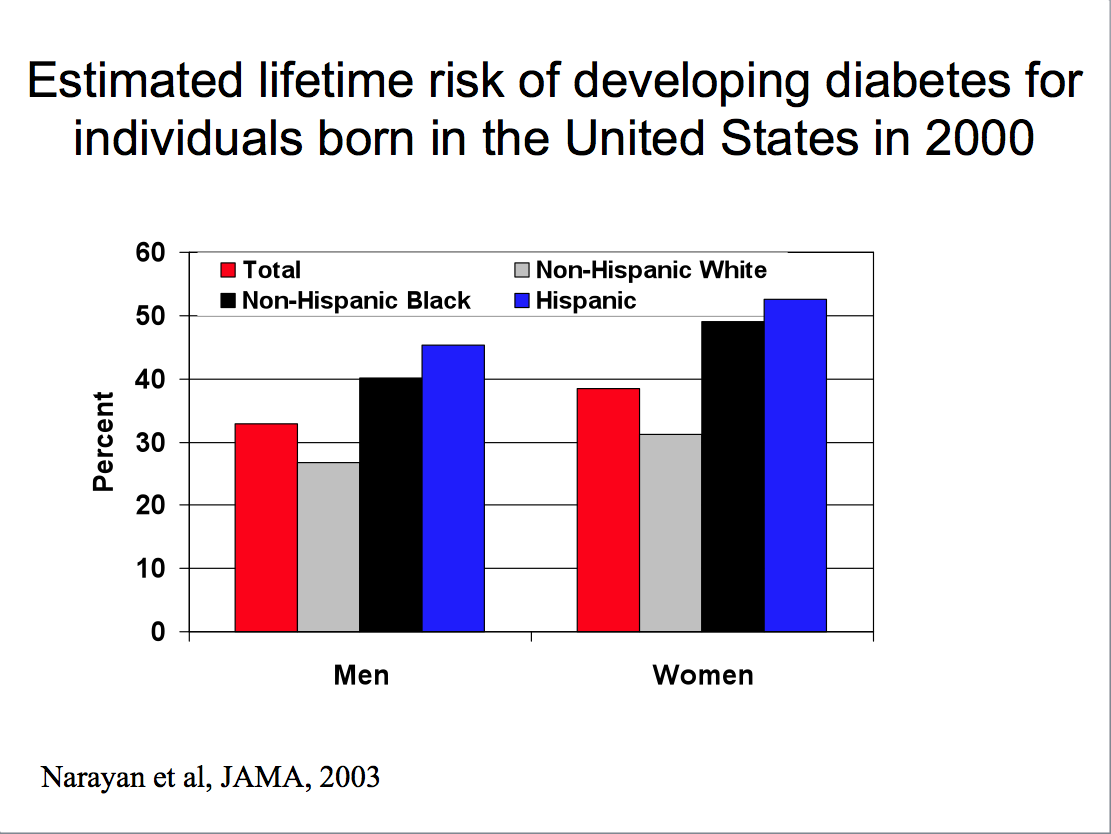
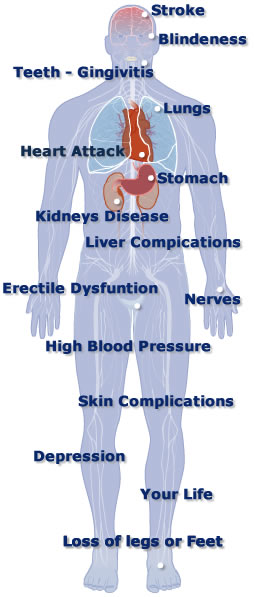
The number of Americans with diabetes continues to increase, according to CDC's most recent National Diabetes Fact Sheet. So does the number of Americans with prediabetes, a condition that increases their risk of type 2 diabetes, heart disease, stroke, kidney disease, foot complications or Neuropathy, eye complications, skin complications, depression and gingivitis disease or tooth and bone loss.

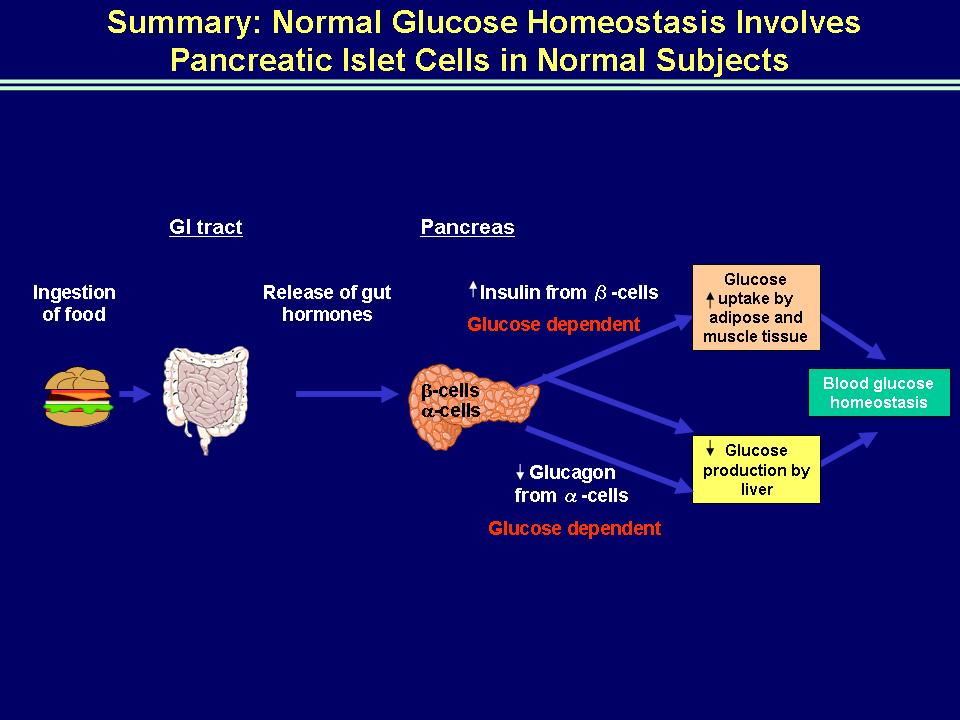
Beta cells, which are found in the pancreas within tiny cell clusters called islets, are the body’s sole source of the essential hormone insulin. Diabetes is characterized by the bodies in ability to produce and/ or respond appropriately to insulin, and results in the inability of the body to absorb and use glucose as a cellular fuel. These defects result in a persistent elevation of blood glucose levels and other metabolic abnormalities, which, in turn, lead to the development of disease complications.

The most common forms of diabetes are Type I diabetes, in which the immune system launches a misguided attack, destroying the beta cells of the pancreas, and Type 2 diabetes, in which the body becomes resistant to insulin signaling, with subsequent impaired insulin production. While the causes of beta cell loss or failure differ, all major forms of diabetes share a common bond in the pancreatic beta cell.

This is particularly important in light of studies that show that adverse changes in both the micro- and macro vascular environments can occur up to 10 years prior to diagnosis.

More information


Type I Diabetes:

Type I Diabetes
is caused by an autoimmune disorder-a problem with the body's immune system. In a healthy body, specialized cells (called beta cells) in the pancreas make insulin. Insulin is a hormone that allows the body to use energy from food. In Type I Diabetes, the immune system mistakes beta cells for invaders and attacks them. This results in loss of pancreatic function and inability to produce insulin.  When enough beta cells are destroyed, symptoms of diabetes appear.

In contrast to earlier assumptions, researchers have found that, at diagnosis, majorities of people with Type I diabetes have circulating C-peptide, a marker of insulin production by the pancreas. While C-peptide levels are reduced in comparison to people without the disease, the measurable and inducible C-peptide is very suggestive of functional beta cell mass. This observation is important for future therapies as the positive benefit of immune modulation in the NOD mouse is best realized when a pancreatic beta cell mass capable of promoting euglycemia is present. Moreover, in humans the presence of C-peptide has been associated with improved control of diabetes and less risk of life- threatening hypoglycemia. Thus, preservation of C-peptide, as well as expansion of beta cell mass in new-onset type I diabetes, is a major focus of therapeutic investigation.


Type II Diabetes: <Click Here for more information>

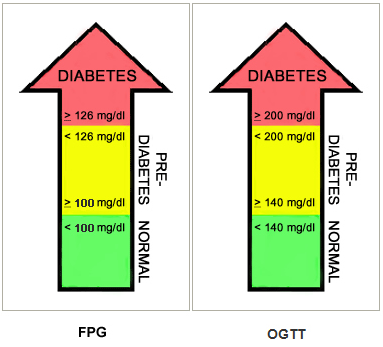
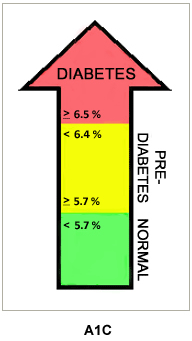
Type II Diabetes affects about 26 million in the United States.  In Type II Diabetes, the beta cells still produce insulin. However, either the cells do not respond properly to the insulin or the insulin produced naturally is not enough to meet the needs of the body.  Insulin is usually still present in a person with Type II Diabetes, but it does not work as well as it should.  Measurable indications of diabetes are as follows:
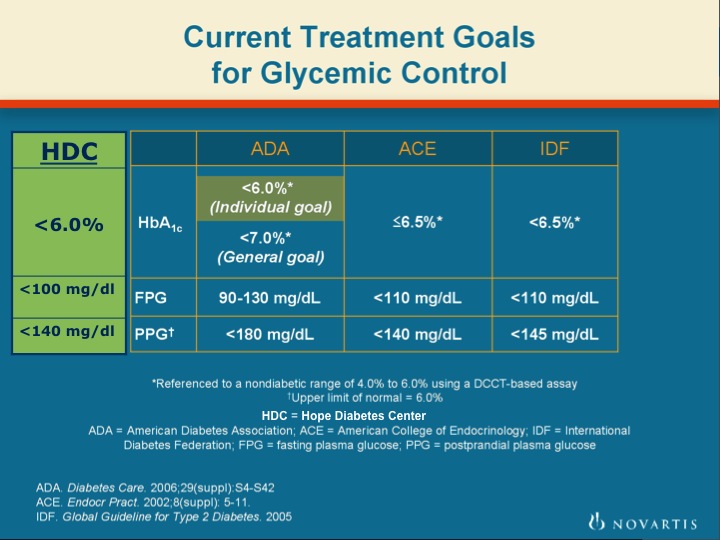
  • Fasting Plasma Glucose(FPG) - >99 (mg/dl)
  • Glucose tolerance (OGTT) 2 hours after meal - > 139 (mg/dl)
  • A1c > 5.7 %

The following characteristics are common to Type II and Pre-Diabetes:

  • Usually overweight, particularly abdominal area.
  • Few to no symptoms
    • Blurred vision
    • Cuts that are slow to heal
    • Tingling or numbness in feet and hands
    • Recurring mouth, skin and bladder infections
    • Increased urination, thirst and appetite

Content on this page requires a newer version of Adobe Flash Player.

Get Adobe Flash player


Content on this page requires a newer version of Adobe Flash Player.

Get Adobe Flash player

    What is Diabetes?

Pre-Diabetes:<Click Here for more information>

Pre-Diabetes affects about 76 million in the United States.  In Pre-Diabetes, the beta cells still produce insulin. However, either the cells do not respond properly to the insulin or the insulin produced naturally is not enough to meet the needs of the body.  Insulin is usually still present in a person with Pre-Diabetes, but it does not work as well as it should.  Measurable indications of diabetes are as follows:
  • Fasting Plasma Glucose(FPG) - >99 (mg/dl)
  • Glucose tolerance (OGTT) 2 hours after meal - > 139 (mg/dl)
  • A1c > 5.7 %

The following characteristics are common to Type II and Pre-Diabetes:

  • Usually overweight, particularly abdominal area.
  • Few to no symptoms
    • Blurred vision
    • Cuts that are slow to heal
    • Tingling or numbness in feet and hands
    • Recurring mouth, skin and bladder infections
    • Increased urination, thirst and appetite

Pre-Diabetes is a relatively new term that came into wider use beginning in 2002, after publication of results from the Diabetes Prevention Program intervention trial. Physicians and other health-care providers have used various other terms to describe Pre-Diabetes. The use of different terms might have produced confusion among persons over what their health-care providers diagnosed. Hence, screening recommendations for prediabetes are essentially the same as those for diabetes. <History of Pre-Diabetes>

  • Understanding Your A1c
  • Heart and Stroke
  • Kidney
  • Foot
  • Eye
  • Skin
  • Depression
  • Oral and Hygiene

Understanding Your A1c

Because your sugar level can change from hour to hour, we required you to test your blood four time per day (daily A1c).   A test that sums up how much glucose has been sticking to part of the hemoglobin during the past 3–4 months. Hemoglobin is a substance in the red blood cells that supplies oxygen to the cells of the body.


A1c Levels
Glucose Range
Normal
4.0
65 mg/dL
4.2 72 mg/dL
4.4 79 mg/dL
4.6 86 mg/dL
Good
4.7 90 mg/dL
4.9 97 mg/dL
5.0 101 mg/dL
5.1 104 mg/dL
5.2 108 mg/dL
5.3
111 mg/dL
5.6 122 mg/dL
** High
5.8 129 mg/dL
5.9 133 mg/dL
*** Diabetes
6.0
136 mg/dL
6.2
143 mg/dL
6.4
151 mg/dL
6.6 158 mg/dL
6.8 165 mg/dL
6.9 168 mg/dL
Deathly
7.0
172 mg/dL
7.2 180 mg/dL
7.4 186 mg/dL
7.6 193 mg/dL
7.8 200 mg/dL
8.0 207 mg/dL
8.2 215 mg/dL
8.4 222 mg/dL
8.6 229 mg/dL
8.8 236 mg/dL
9.0 243 mg/dL
10.00 279 mg/dL
A1c test and calculator Click Here for more information Click here for more information about Kidney complication Click Here for more information Click Here for more information Click Here for more information

The table to convert Hb-A1c to Mean Plasma Glucose (MPG) is based on the following formulas:

HbA1c = (Mean Plasma Glucose (mg/dl) + 75) / 35
HbA1c = (Mean Plasma Glucose (mmol/l) + 4.5) / 2
Mean Plasma Glucose (mg/dl) = (HbA1c  x  35) - 75
Mean Plasma Glucose( mmol/dl) = (HbA1c  x  2) - 4.5

(To convert from (mg/dl )to (mmol/l), divide (mg/dl) by 18... or multiply (mmol/l) by 18 to get mg/dl)

Note:

** complications such as eye, heart, kidney disease, Diabetic Neuropathy / Foot Complications, Oral, Health / Hygiene and more.

***
complications such as eye, heart, kidney disease, Diabetic Neuropathy / Foot Complications, Oral, Health / Hygiene and more.

Heart Disease and Stroke <Click Here for more information>
People with diabetes have extra reason to be mindful of heart and blood vessel disease. Diabetes carries an increased risk for heart attack, stroke, and complications related to poor circulation:

    • Irregular heartbeats
    • Dizzy spells
    • Chest pains
    • Slow healing of cuts and sores
    • Numbness or weakness in an arm or leg
    • Leg cramps
    • Swollen ankles
    • Shortness of breath

Note:      These symptoms may also be caused by some medical condition besides blood vessel damage.

  • Things you need to know
    • Smoking and blood fat level can cause blood vessels to narrow, which makes it difficult for the blood to flow throughout the body. Both can increase the chance of a heart attack.  Diabetes can also damage the blood vessels that supply blood to all parts of the body, increasing the risk of heart attack.
    • What can you do?  Test your blood every 3 to 4 months.
      • Total Cholesterol
      • LDL (bad) Cholesterol
      • HDL (good) Cholesterol
      • Triglycerides
      • EKG
      • Blood Pressure (Every Week)

      Content on this page requires a newer version of Adobe Flash Player.

      Get Adobe Flash player


      How to test your blood Pressure..

Kidney Disease <Click Here for more information>
Diabetes can damage the kidneys, which not only can cause them to fail, but can also ability to filter out waste products.

  • Complications
    • Dialysis and Transplantation
  • Symptoms
    • There are none.  Kidney disease can be detected through a regular visit to your doctor and testing your blood and urine.
    • High Blood Pressure
  • Things you need to know
    • Diabetics are 19 times more likely than those without diabetes to develop problems with the kidney.
    • Chronic Kidney Disease is called Nephropathy
      • To prevent keep your blood sugar levels close to normal range.
        • Before meal                 < 100 (mg/dL)
        • 2 hours after meal        < 140 (mg/dL)

Neuropathy / Foot Complications <Click Here for more information>
The most common complications of diabetes is diabetic neuropathy. Neuropathy means damage to the nerve cells that run throughout the body, connecting the spinal cord to muscles, skin, blood vessels, and other organs.

  • Complications
    • Due to loss of feeling in your feet, you may not notice cuts and infections.
    • People with diabetes are far more likely (65%) to have a foot or leg amputated than other people. The problem? Many people with diabetes have artery disease, which reduces blood flow to the feet. Also, many people with diabetes have nerve disease, which reduces sensation. Together, these problems make it easy to get ulcers and infections that may lead to amputation. Most amputations are preventable with regular care and proper footwear.
    • Ulcers - Ulcers occur most often on the ball of the foot or on the bottom of the big toe. Ulcers on the sides of the foot are usually due to poorly fitting shoes. Remember, even though some ulcers do not hurt, every ulcer should be seen by your health care provider right away. Neglecting ulcers can result in infections, which in turn can lead to loss of a limb.
  • Symptoms
    • Tingle, burn, ache, or throb on your feet and lower legs.
    • Numbness in feet, hands and lower legs.
    • Diarrhea that will not stop.
    • Impotence in men.
    • Less able to have an orgasm or climax.
    • Abdominal pain.
    • Feet that feel cold to the touch.
    • Lack of hair on your feet.
  • Things you need to know
    • Check your feet daily for any changes, such as blisters, cuts, ulcers, redness and large calluses.
  • Foot Care
    • Avoid using anything hot (heating pads, hot water bottles or hot bath water) on your feet.
    • Trim your toenails carefully.  Injuries from cutting your toenails can lead to infection, ulcers and finally amputations.
    • Help prevent bunions and calluses by wearing well fitting shoes.
    • Always check your shoes for any rough edges, sand and any object that may cause irritation.
    • Dry your feet with a soft towel after bathing.  Wetness between your toes allow fungus to grow, which can lead to serious infection.
    • Inspect your feet with a mirror daily.  If your feet are dry and cracked use a moisturizer cream (avoid cream between your toes).

Eye Complications <Click Here for more information>
Diabetes can cause eye problems and may lead to blindness. People with diabetes do have a higher risk of blindness than people without diabetes. Early detection and treatment of eye problems can save your sight.

  • Complications
    • Diabetes retinopathy – damage to the blood vessels in the retina (back of the eye).
    • Cataract – clouding of the eye lens.
    • Glaucoma – increase in fluid pressure inside the eye that leads to optic nerve damage and loss of vision.
  • Symptoms
    • There are none.  The vision may not change until the disease becomes severe.
  • Things you need to know
    • 70% of loss of vision or blindness in the United States from diabetes retinopathy.

Skin Complications
Your body loses of fluids through frequent urination.  This loss of fluids (dehydration) will make your skin and body dry.    In fact, such problems are sometimes the first sign that a person has diabetes.  It can damage nerves that produce oil and can make your body sweat less.  Your skin relies on oil and sweat to keep it moist so the loss of oil and sweat can make it dry.

  • Complications
    • Dry skin cracks easily, letting germs enter.
      • Easily infected:  Infections spread faster.
      • Infections are harder to treat
      • Infections take longer to heal.
  • Symptoms
    • Extra dry skin
    • Rashes
    • Itchy skin
    • Boils
    • Pimples
  • Things you need to know
    • Itchy skin in the vaginal, groin or foot areas may indicate an infection.
    • Avoid lotions and creams that contain alcohol, additive, dyes and fragrances (perfume).
  • Skin Care
    • Use a very mild soap that will not cause irritation and remove oil from your skin.
    • Always use warm water, hot water can cause irritation.
    • Always rinse off soap cleansers completely.
    • Avoid rubbing, Dry well between all folds (toes, armpits, and breasts).
    • Drink 4 glasses (8 oz) of water (ARP required 4 glasses of water per day) to give your body more fluid.
    • Avoid lotions and creams that contain alcohol, additive dyes and fragrances (perfume).

Depression
Feeling down once in a while is normal. But some people feel a sadness that just won't go away. Life seems hopeless. Feeling this way most of the day for two weeks or more is a sign of serious depression.  That is why you choose Hope Diabetes Center as your diabetes care provider.  Because taking care of your diabetes was a 24/7 job filled with responsibility and worries, Hope Diabetes Center created a program that will make your diabetes care easy to control.  We understand that your emotional adjustment to diabetes is the key to good self-care and a long healthy life.

  • Complications
    • Stress can trigger a downward spiral on your health and high blood sugar.
    • alcohol or drug abuse
    • thyroid problems
    • side effects from some medications
  • Symptoms
    • Loss of pleasure You no longer take interest in doing things you used to enjoy.
    • Change in sleep patterns You have trouble falling asleep, you wake often during the night, or you want to sleep more than usual, including during the day.
    • Early to rise You wake up earlier than usual and cannot to get back to sleep.
    • Change in appetite You eat more or less than you used to, resulting in a quick weight gain or weight loss.
    • Trouble concentrating You can't watch a TV program or read an article because other thoughts or feelings get in the way.
    • Loss of energy You feel tired all the time.
    • Nervousness You always feel so anxious you can't sit still.
    • Guilt You feel you "never do anything right" and worry that you are a burden to others.
    • Morning sadness You feel worse in the morning than you do the rest of the day.
    • Suicidal thoughts You feel you want to die or are thinking about ways to hurt yourself.
  • Things you need to know
    • Stress of being sick may cause your blood sugar level to go higher.

Oral Health and Hygiene <Click Here for more information>
There are more bacteria in your mouth right now than there are people on Earth. If those germs settle into your gums, you've got gum disease. "Not me?" you say.

  • Complications
    • Yeast infection (white spot on the tongue)
    • Gingivitis – first stage of gums disease, redness around the gums, swelling and pain.
    • Damaged blood vessels, thus increasing your chance of infection.
    • Plaque – yellow sticky film, which leads to tartar formation and eventual tooth and bone loss.
  • Symptoms
    • Bleeding gums – when you eat or brush teeth.
    • Pain when eating or drinking cold or hot.
    • Loose teeth, ulcers or sores.
    • Bad breath.
    • Problems with dentures fitting properly.
  • Things you need to know
    • Dental exam every six months.
    • Avoid high sugar food.
    • Stop smoking.
    • Make sure that your dentist knows about your diabetes.


Caution:

  • Exercise at the wrong time (before meals) can decrease blood sugar to dangerously high levels.  Be sure to consult your physician before beginning an exercise program.
  • Skipping a meal will stimulate the liver to release sugar into blood, resulting in twice as much sugar as might otherwise have been consumed.  It is important to eat three meals a day.
  • Diabetes mellitus increases the risk of disorders such as coronary artery disease, cerebrovascular occlusion, peripheral artery disease, renal insufficiency, peripheral neuropathy, lower-extremity infection, ulceration, and amputation, and other disorders. Such complications frequently require admission into the hospital for evaluation and treatment.
  • Low Glucose Results – If your result is lower than 70mg/dl, it may mean Hypoglycemia (low blood sugar).  This may require immediate treatment according to your health care professional’s recommendations.  Although this result could be due to a test error, it is safer to treat first, and then do another test.
  • High Glucose Results - If your test result is higher than 140mg/dl, it may mean Hyperglycemia (high blood sugar).  If you are uncertain about your test result, consider re-testing.   Your doctor can work with you do decide what actions, if any, you should take if your results are higher than 140 mg/dl.
  • HbA1c values are measured by the number of red blood cells that appear in a certain AREA of the testing laboratory's microscopic view. The table above is adjusted for persons with NORMAL "hematocrit" of 45%. If you have ANEMIA, ie, your blood cell count by volume is LESS than 40% "Hematocrit", your A1c will appear to be much lower than your actual blood sugars.

Diabetes Vocabulary
Here are some terms related to diabetes that I hope come in handy. 

A1C - A test that measures a person's average blood glucose level over the past 2 to 3 months. Hemoglobin (HEE-mo-glo-bin) is the part of a red blood cell that carries oxygen to the cells and sometimes joins with the glucose in the bloodstream. Also called hemoglobin A1C or glycosylated (gly-KOH-sih-lay-ted) hemoglobin, the test shows the amount of glucose that sticks to the red blood cell, which is proportional to the amount of glucose in the blood.

Acanthosis nigricans (uh-kan-THO-sis NIH-grih-kans) a skin condition characterized by darkened skin patches; common in people whose body is not responding correctly to the insulin that they make in their pancreas (insulin resistance). This skin condition is also seen in people who have pre-diabetes or Type II diabetes. Acanthosis nigricans is often associated with conditions that increase your insulin level, such as type II diabetes or being overweight. If your insulin level is too high, the extra insulin may trigger activity in your skin cells. This may cause the characteristic skin changes.

In some cases, acanthosis nigricans is inherited. Certain medications — such as oral contraceptives and large doses of niacin — can contribute to the condition. Other hormone problems, endocrine disorders or tumors may play a role as well. Rarely, acanthosis nigricans is associated with certain types of cancer.

Adhesive capsulitis (ad-HEE-sive cap-soo-LITE-is) a condition of the shoulder associated with diabetes that results in pain and loss of the ability to move the shoulder in all directions.

AGEs (A-G-EEZ) stands for advanced glycosylation (gly-KOH-sih-LAY-shun) end products. AGEs are produced in the body when glucose links with protein. They play a role in damaging blood vessels, which can lead to diabetes complications.

Albuminuria (al-BYOO-mih-NOO-ree-uh) a condition in which the urine has more than normal amounts of a protein called albumin. Albuminuria may be a sign of nephropathy (kidney disease).

Alpha cell (AL-fa) a type of cell in the pancreas. Alpha cells make and release a hormone called glucagon. The body sends a signal to the alpha cells to make glucagon when blood glucose falls too low. Then glucagon reaches the liver where it tells it to release glucose into the blood for energy.

Amylin (AM-ih-lin) a hormone formed by beta cells in the pancreas. Amylin regulates the timing of glucose release into the bloodstream after eating by slowing the emptying of the stomach.

Amyotrophy (a-my-AH-truh-fee) a Type of neuropathy resulting in pain, weakness and/or wasting in the muscles.

Anemia (uh-NEE-mee-uh) a condition in which the number of red blood cells is less than normal, resulting in less oxygen being carried to the body's cells.

Angiopathy (an-gee-AH-puh-thee) any disease of the blood vessels (veins, arteries, capillaries) or lymphatic vessels.

Antibodies (AN-ti-bod-eez) proteins made by the body to protect itself from "foreign" substances such as bacteria or viruses. People get Type I diabetes when their bodies make antibodies that destroy the body's own insulin-making beta cells.

Arteriosclerosis (ar-TEER-ee-oh-skluh-RO-sis) hardening of the arteries.

Artery a large blood vessel that carries blood with oxygen from the heart to all parts of the body.

Atherosclerosis (ATH-uh-row-skluh-RO-sis) clogging, narrowing and hardening of the body's large arteries and medium-sized blood vessels. Atherosclerosis can lead to stroke, heart attack, eye problems and kidney problems.

Autoimmune disease (AW-toh-ih-MYOON) disorder of the body's immune system in which the immune system mistakenly attacks and destroys body tissue that it believes to be foreign.

Autonomic neuropathy (aw-toh-NOM-ik ne-ROP-uh-thee) a type of neuropathy affecting the lungs, heart, stomach, intestines, bladder or genitals.

Background retinopathy (REH-tih-NOP-uh-thee) a type of damage to the retina of the eye marked by bleeding, fluid accumulation and abnormal dilation of the blood vessels. Background retinopathy is an early stage of diabetic retinopathy. Also called simple or nonproliferative (non-pro-LIF-er-uh-tiv) retinopathy.

Basal insulin secretion — low levels of insulin secreted by the pancreas during fasting.

Beta cell a cell that makes insulin. Beta cells are located in the islets of the pancreas.

Blood glucose the main sugar found in the blood and the body's main source of energy. Also called blood sugar.

Blood glucose monitoring checking blood glucose level on a regular basis in order to manage diabetes. A blood glucose meter (or blood glucose test strips that change color when touched by a blood sample) is needed for frequent blood glucose monitoring.

Blood pressure the force of blood exerted on the inside walls of blood vessels. Blood pressure is expressed as a ratio (example: 120/80, read as "120 over 80"). The first number is the systolic (sis-TAH-lik) pressure, or the pressure when the heart pushes blood out into the arteries. The second number is the diastolic (DY-uh-STAH-lik) pressure, or the pressure when the heart rests.

Blood urea nitrogen (BUN) (yoo-REE-uh NY-truh-jen) a waste product in the blood from the breakdown of protein. The kidneys filter blood to remove urea. As kidney function decreases, the BUN levels increase.
blood vessels tubes that carry blood to and from all parts of the body. The three main types of blood vessels are arteries, veins and capillaries.

Body mass index (BMI) a measure used to evaluate body weight relative to a person's height. BMI is used to find out if a person is underweight, normal weight, overweight or obese.

Bolus (BOH-lus) an extra amount of insulin taken to cover an expected rise in blood glucose, often related to a meal or snack.

Borderline diabetes a former term for Type 2 diabetes or impaired glucose tolerance.

Brittle diabetes a term used when a person's blood glucose level moves often from low to high and from high to low.

Bunion (BUN-yun) a bulge on the first joint of the big toe, caused by the swelling of a fluid sac under the skin. This spot can become red, sore and infected.

C-peptide (see-peptide) "Connecting peptide," a substance the pancreas releases into the bloodstream in equal amounts to insulin. A test of C-peptide levels shows how much insulin the body is making.

Callus a small area of skin, usually on the foot, that has become thick and hard from rubbing or pressure.

Calorie a unit representing the energy provided by food. Carbohydrate, protein, fat and alcohol provide calories in the diet. Carbohydrate and protein have 4 calories per gram, fat has 9 calories per gram, and alcohol has 7 calories per gram.

Capillary (KAP-ih-lair-ee) the smallest of the body's blood vessels. Oxygen and glucose pass through capillary walls and enter the cells. Waste products such as carbon dioxide pass back from the cells into the blood through capillaries.

capsaicin (kap-SAY-ih-sin) an ingredient in hot peppers that can be found in ointment form for use on the skin to relieve pain from diabetic neuropathy.

Carbohydrate (kar-boh-HY-drate) one of the three main nutrients in food. Foods that provide carbohydrate are starches, vegetables, fruits, dairy products and sugars.

Dysphagia — difficulty swallowing

Dawn Syndrome – was salts from a nighttime release of growth hormone that causes blood glucose elevations at about five to 6 AM.

Cardiologist (kar-dee-AH-luh-jist) a doctor who treats people who have heart problems.

Cardiometabolic risk factors (CAR-dee-oh MET-ah-BALL-ick) a set of conditions that have a big effect on whether or not you develop diabetes or heart disease.

Cardiovascular disease (KAR-dee-oh-VASK-yoo-ler) disease of the heart and blood vessels (arteries, veins and capillaries).

Cataract (KA-ter-act) clouding of the lens of the eye.

Gastroparesis – delay in gastric emptying

Glucagon — counter regulatory hormone that has action opposite of insulin

Glycemic – blood glucose

Glycogenesis – the conversion of amino acids into glucose

Gluconeogenesis – conversion of proteins to glucose

Glycogenolysis– the breakdown of glycogen to glucose

Cerebrovascular disease (seh-REE-broh-VASK-yoo-ler) damage to blood vessels in the brain. Vessels can burst and bleed or become clogged with fatty deposits. When blood flow is interrupted, brain cells die or are damaged, resulting in a stroke.

Certified diabetes educator (CDE) a health care professional with expertise in diabetes education who has met eligibility requirements and successfully completed a certification exam.

Charcot's foot (shar-KOHZ) a condition in which the joints and soft tissue in the foot are destroyed; it results from damage to the nerves.

Cholesterol (koh-LES-ter-all) a type of fat produced by the liver and found in the blood; it is also found in some foods. Cholesterol is used by the body to make hormones and build cell walls.

Chronic describes something that is long-lasting. Opposite of acute.

Circulation the flow of blood through the body's blood vessels and heart.

Coma a sleep-like state in which a person is not conscious. May be caused by hyperglycemia (high blood glucose) or hypoglycemia (low blood glucose) in people with diabetes.

Complications harmful effects of diabetes such as damage to the eyes, heart, blood vessels, nervous system, teeth and gums, feet and skin, or kidneys. Studies show that keeping blood glucose, blood pressure, and low-density lipoprotein cholesterol levels close to normal can help prevent or delay these problems.

Congenital defects (kun-JEN-ih-tul) problems or conditions that are present at birth.

Congestive heart failure loss of the heart's pumping power, which causes fluids to collect in the body, especially in the feet and lungs.

Coronary heart disease (KOR-uh-ner-ee) heart disease caused by narrowing of the arteries that supply blood to the heart. If the blood supply is cut off, the result is a heart attack.

Creatinine (kree-AT-ih-nin) a waste product from protein in the diet and from the muscles of the body. Creatinine is removed from the body by the kidneys; as kidney disease progresses, the level of creatinine in the blood increases.

D-phenylalanine derivative (dee-fen-nel-AL-ah-neen) a class of oral medicine for Type 2 diabetes that lowers blood glucose levels by helping the pancreas make more insulin right after meals. (Generic name: nateglinide)
dawn phenomenon (feh-NAH-meh-nun) the early-morning (4 a.m. to 8 a.m.) rise in blood glucose level.

Dehydration (dee-hy-DRAY-shun) the loss of too much body fluid through frequent urinating, sweating, diarrhea or vomiting.

Dermopathy (dur-MAH-puh-thee) disease of the skin.

Desensitization (dee-sens-ih-tiz-A-shun) a way to reduce or stop a response such as an allergic reaction to something. For example, if someone has an allergic reaction to something, the doctor gives the person a very small amount of the substance at first to increase one's tolerance. Over a period of time, larger doses are given until the person is taking the full dose. This is one way to help the body get used to the full dose and to prevent the allergic reaction.

Dextrose, also called glucose (DECKS-trohss) simple sugar found in blood that serves as the body's main source of energy.

Diabetes insipidus (in-SIP-ih-dus) a condition characterized by frequent and heavy urination, excessive thirst and an overall feeling of weakness. This condition may be caused by a defect in the pituitary gland or in the kidney. In diabetes insipidus, blood glucose levels are normal.

Diabetes mellitus (MELL-ih-tus) a condition characterized by hyperglycemia resulting from the body's inability to use blood glucose for energy. In Type 1 diabetes, the pancreas no longer makes insulin and therefore blood glucose cannot enter the cells to be used for energy. In Type 2 diabetes, either the pancreas does not make enough insulin or the body is unable to use insulin correctly.

Diabetic diarrhea (dy-uh-REE-uh) loose stools, fecal incontinence, or both that result from an overgrowth of bacteria in the small intestine and diabetic neuropathy in the intestines. This nerve damage can also result in constipation.

Diabetic ketoacidosis (DKA) (KEY-toe-ass-ih-DOH-sis) an emergency condition in which extremely high blood glucose levels, along with a severe lack of insulin, result in the breakdown of body fat for energy and an accumulation of ketones in the blood and urine. Signs of DKA are nausea and vomiting, stomach pain, fruity breath odor and rapid breathing. Untreated DKA can lead to coma and death.

Diabetic mastopathy a rare fibrous breast condition occurring in women, and sometimes men, with long-standing diabetes. The lumps are not malignant and can be surgically removed, although they often recur.

Diabetic myelopathy (my-eh-LAH-puh-thee) damage to the spinal cord found in some people with diabetes.

Diabetic retinopathy (REH-tih-NOP-uh-thee) diabetic eye disease; damage to the small blood vessels in the retina. Loss of vision may result.

Diabetogenic (DY-uh-beh-toh-JEN-ic) causing diabetes. For example, some drugs cause blood glucose levels to rise, resulting in diabetes.

Diabetologist (DY-uh-beh-TAH-luh-jist) a doctor who specializes in treating people with diabetes.

Diagnosis (DY-ug-NO-sis) the determination of a disease from its signs and symptoms.

Dialysis (dy-AL-ih-sis) the process of cleaning wastes from the blood artificially. This job is normally done by the kidneys. If the kidneys fail, the blood must be cleaned artificially with special equipment. The two major forms of dialysis are hemodialysis and peritoneal dialysis.

Dietitian (DY-eh-TIH-shun) a health care professional who advises people about meal planning, weight control and diabetes management. A registered dietitian (RD) has more training

Dilated eye exam (DY-lay-ted) a test done by an eye care specialist in which the pupil (the black center) of the eye is temporarily enlarged with eyedrops to allow the specialist to see the inside of the eye more easily.

Dupuytren's contracture (doo-PWEE-trenz kon-TRACK-chur) a condition associated with diabetes in which the fingers and the palm of the hand thicken and shorten, causing the fingers to curve inward.

Edema (eh-DEE-muh) swelling caused by excess fluid in the body.

Electromyography (EMG) (ee-LEK-troh-my-AH-gruh-fee) a test used to detect nerve function. It measures the electrical activity generated by muscles.

Endocrine gland (EN-doh-krin) a group of specialized cells that release hormones into the blood. For example, the islets in the pancreas, which secrete insulin, are endocrine glands.

Endocrinologist (EN-doh-krih-NAH-luh-jist) a doctor who treats people who have endocrine gland problems such as diabetes.

Enzyme (EN-zime) protein made by the body that brings about a chemical reaction, for example, the enzymes produced by the gut to aid digestion.

Euglycemia (you-gly-SEEM-ee-uh) a normal level of glucose in the blood.

Fasting plasma glucose (FPG) test a check of a person's blood glucose level after the person has not eaten for 8 to 12 hours (usually overnight). This test is used to diagnose pre-diabetes and diabetes. It is also used to monitor people with diabetes.

Fat one of the three main nutrients in food. Foods that provide fat are butter, margarine, salad dressing, oil, nuts, meat, poultry, fish and some dairy products. 2. Excess calories are stored as body fat, providing the body with a reserve supply of energy and other functions.

Fluorescein angiography (fluh-RESS-ee-in an-gee-AH-grah-fee) a test to examine blood vessels in the eye; done by injecting dye into an arm vein and then taking photos as the dye goes through the eye's blood vessels.

Fructosamine test (frook-TOH-sah-meen) measures the number of blood glucose molecules (MAH-leh-kyools) linked to protein molecules in the blood. The test provides information on the average blood glucose level for the past 3 weeks.

Fructose (FROOK-tohss) a sugar that occurs naturally in fruits and honey. Fructose has 4 calories per gram.

Gangrene (GANG-green) the death of body tissue, most often caused by a lack of blood flow and infection. It can lead to amputation.

Gastroparesis (gas-tro-puh-REE-sis) a form of neuropathy that affects the stomach. Digestion of food may be incomplete or delayed, resulting in nausea, vomiting, or bloating, making blood glucose control difficult.

Gestational diabetes mellitus (GDM) (jes-TAY-shun-ul MELL-ih-tus) a type of diabetes mellitus that develops only during pregnancy and usually disappears upon delivery, but increases the risk that the mother will develop diabetes later. GDM is managed with meal planning, activity, and, in some cases, insulin.

Gingivitis (JIN-jih-VY-tis) a condition of the gums characterized by inflammation and bleeding.

Gland a group of cells that secrete substances. Endocrine glands secrete hormones. Exocrine glands secrete salt, enzymes and water.

Glargine insulin (GLAR-jeen) very-long-acting insulin. On average, glargine insulin starts to lower blood glucose levels within 1 hour after injection and keeps working evenly for 24 hours after injection.

Glaucoma (glaw-KOH-muh) an increase in fluid pressure inside the eye that may lead to loss of vision.

Glomerular filtration rate (glo-MEHR-yoo-lur) measure of the kidney's ability to filter and remove waste products.

Glomerulus (glo-MEHR-yoo-lus) a tiny set of looping blood vessels in the kidney where the blood is filtered and waste products are removed.

Glucagon (GLOO-kah-gahn) a hormone produced by the alpha cells in the pancreas. It raises blood glucose. An injectable form of glucagon, available by prescription, may be used to treat severe hypoglycemia.
glucose one of the simplest forms of sugar.

Glucose tablets chewable tablets made of pure glucose used for treating hypoglycemia.

Glycemic index (gly-SEE-mik) a ranking of carbohydrate-containing foods, based on the food's effect on blood glucose compared with a standard reference food.

Glycogen (GLY-koh-jen) the form of glucose found in the liver and muscles.

Glycosuria (gly-koh-SOOR-ee-ah) the presence of glucose in the urine.

Gram a unit of weight in the metric system. An ounce equals 28 grams. In some meal plans for people with diabetes, the suggested amounts of food are given in grams.

HDL cholesterol, stands for high-density-lipoprotein cholesterol (kuh-LESS-tuh-rawl LIP-oh-PRO-teen) a fat found in the blood that takes extra cholesterol from the blood to the liver for removal. Sometimes called "good" cholesterol.

Heredity the passing of a trait from parent to child.

Honeymoon phase Some people with type 1 diabetes experience a brief remission called the "honeymoon period." During this time their pancreas may still secrete some insulin. Over time, this secretion stops and as this happens, the child will require more insulin from injections. The honeymoon period can last weeks, months, or even up to a year or more.

Hormone a chemical produced in one part of the body and released into the blood to trigger or regulate particular functions of the body. For example, insulin is a hormone made in the pancreas that tells other cells when to use glucose for energy. Synthetic hormones, made for use as medicines, can be the same or different from those made in the body.

Human leukocyte antigens (HLA) proteins located on the surface of the cell that help the immune system identify the cell either as one belonging to the body or as one from outside the body. Some patterns of these proteins may mean increased risk of developing Type 1 diabetes.

Hyperglycemia (HY-per-gly-SEE-mee-uh) excessive blood glucose. Fasting hyperglycemia is blood glucose above a desirable level after a person has fasted for at least 8 hours. Postprandial hyperglycemia is blood glucose above a desirable level 1 to 2 hours after a person has eaten.

Hyperinsulinemia (HY-per-IN-suh-lih-NEE-mee-uh) a condition in which the level of insulin in the blood is higher than normal. Caused by overproduction of insulin by the body. Related to insulin resistance.

Hyperlipidemia (HY-per-li-pih-DEE-mee-uh) higher than normal fat and cholesterol levels in the blood.

Hyperosmolar hyperglycemic nonketotic syndrome (HHNS) (HY-per-oz-MOH-lur HY-per-gly-SEE-mik non-kee-TAH-tik) an emergency condition in which one's blood glucose level is very high and ketones are not present in the blood or urine. If HHNS is not treated, it can lead to coma or death.

Hypertension (HY-per-TEN-shun) a condition present when blood flows through the blood vessels with a force greater than normal. Also called high blood pressure. Hypertension can strain the heart, damage blood vessels, and increase the risk of heart attack, stroke, kidney problems and death.

Hypoglycemia (hy-po-gly-SEE-mee-uh) a condition that occurs when one's blood glucose is lower than normal, usually less than 70 mg/dL. Signs include hunger, nervousness, shakiness, perspiration, dizziness or light-headedness, sleepiness, and confusion. If left untreated, hypoglycemia may lead to unconsciousness. Hypoglycemia is treated by consuming a carbohydrate-rich food such as a glucose tablet or juice. It may also be treated with an injection of glucagon if the person is unconscious or unable to swallow. Also called an insulin reaction.

Hypoglycemia unawareness (un-uh-WARE-ness) a state in which a person does not feel or recognize the symptoms of hypoglycemia. People who have frequent episodes of hypoglycemia may no longer experience the warning signs of it.

Hypotension (hy-poh-TEN-shun) low blood pressure or a sudden drop in blood pressure. Hypotension may occur when a person rises quickly from a sitting or reclining position, causing dizziness or fainting.

IDDM (insulin-dependent diabetes mellitus) former term for Type 1 diabetes.

Immune system (ih-MYOON) the body's system for protecting itself from viruses and bacteria or any "foreign" substances.

Immunosuppressant (ih-MYOON-oh-suh-PRESS-unt) a drug that suppresses the natural immune responses. Immunosuppressants are given to transplant patients to prevent organ rejection or to patients with autoimmune diseases.

Impaired fasting glucose (IFG) a condition in which a blood glucose test, taken after an 8- to 12-hour fast, shows a level of glucose higher than normal but not high enough for a diagnosis of diabetes. IFG, also called pre-diabetes, is a level of 100 mg/dL to 125 mg/dL. Most people with pre-diabetes are at increased risk for developing type 2 diabetes.

Impaired glucose tolerance (IGT) a condition in which blood glucose levels are higher than normal but are not high enough for a diagnosis of diabetes. IGT, also called pre-diabetes, is a level of 140 mg/dL to 199 mg/dL 2 hours after the start of an oral glucose tolerance test. Most people with pre-diabetes are at increased risk for developing type 2 diabetes. Other names for IGT that are no longer used are "borderline," "subclinical," "chemical," or "latent" diabetes.

Implantable insulin pump (im-PLAN-tuh-bull) a small pump placed inside the body to deliver insulin in response to remote-control commands from the user.

Impotence (IM-po-tents) the inability to get or maintain an erection for sexual activity. Also called erectile (ee-REK-tile) dysfunction (dis-FUNK-shun).

Incidence (IN-sih-dints) a measure of how often a disease occurs; the number of new cases of a disease among a certain group of people for a certain period of time.

Incontinence (in-KON-tih-nents) loss of bladder or bowel control; the accidental loss of urine or feces.
inhaled insulin an experimental treatment for taking insulin using a portable device that allows a person to breathe in insulin.

Incidence (IN-sih-dints) a measure of how often a disease occurs; the number of new cases of a disease among a certain group of people for a certain period of time.

Incontinence (in-KON-tih-nents) loss of bladder or bowel control; the accidental loss of urine or feces.
inhaled insulin an experimental treatment for taking insulin using a portable device that allows a person to breathe in insulin.

Injection (in-JEK-shun) inserting liquid medication or nutrients into the body with a syringe. A person with diabetes may use short needles or pinch the skin and inject at an angle to avoid an intramuscular injection of insulin.

Injection site rotation changing the places on the body where insulin is injected. Rotation prevents the formation of lipodystrophies.

Injection sites places on the body where insulin is usually injected.

Insulin a hormone that helps the body use glucose for energy. The beta cells of the pancreas make insulin. When the body cannot make enough insulin, it is taken by injection or through use of an insulin pump.

Insulin adjustment a change in the amount of insulin a person with diabetes takes based on factors such as meal planning, activity and blood glucose levels.

Insulin analogues An insulin analogue is a tailored form of insulin in which certain amino acids in the insulin molecule have been modified. The analogue acts in the same way as the original insulin, but with some beneficial differences for people with diabetes. Analogues are sometimes referred to as "designer" insulins.

Insulin pen a device for injecting insulin that looks like a fountain pen and holds replaceable cartridges of insulin. Also available in disposable form.

Insulin pump an insulin-delivering device about the size of a deck of cards that can be worn on a belt or kept in a pocket. An insulin pump connects to narrow, flexible plastic tubing that ends with a needle inserted just under the skin. Users set the pump to give a steady trickle or basal amount of insulin continuously throughout the day. Pumps release bolus doses of insulin (several units at a time) at meals and at times when blood glucose is too high, based on programming done by the user.

Insulin reaction when the level of glucose in the blood is too low (at or below 70 mg/dL). Also known as hypoglycemia.

Insulin receptors areas on the outer part of a cell that allow the cell to bind with insulin in the blood. When the cell and insulin bind, the cell can take glucose from the blood and use it for energy.

Insulin resistance the body's inability to respond to and use the insulin it produces. Insulin resistance may be linked to obesity, hypertension, and high levels of fat in the blood.

Insulin-dependent diabetes mellitus (IDDM) former term for Type 1 diabetes.

Insulinoma (IN-suh-lih-NOH-mah) a tumor of the beta cells in the pancreas. An insulinoma may cause the body to make extra insulin, leading to hypoglycemia.

Intensive therapy a treatment for diabetes in which blood glucose is kept as close to normal as possible through frequent injections or use of an insulin pump; meal planning; adjustment of medicines; and exercise based on blood glucose test results and frequent contact with a person's health care team.

Intermediate-acting insulin a type of insulin that starts to lower blood glucose within 1 to 2 hours after injection and has its strongest effect 6 to 12 hours after injection, depending on the type used. See lente insulin and NPH insulin.

Intermittent claudication (IN-ter-MIT-ent CLAW-dih-KAY-shun) pain that comes and goes in the muscles of the leg. This pain results from a lack of blood supply to the legs and usually happens when walking or exercising.

Intramuscular injection (in-trah-MUS-kyoo-lar) inserting liquid medication into a muscle with a syringe. Glucagon may be given by subcutaneous or intramuscular injection for hypoglycemia.

Islet cell autoantibodies (ICA) (EYE-let aw-toe-AN-ti-bod-eez) proteins found in the blood of people newly diagnosed with Type 1 diabetes. They are also found in people who may be developing Type 1 diabetes. The presence of ICA indicates that the body's immune system has been damaging beta cells in the pancreas.

Islet transplantation moving the islets from a donor pancreas into a person whose pancreas has stopped producing insulin. Beta cells in the islets make the insulin that the body needs for using blood glucose.

Islets
groups of cells located in the pancreas that make hormones that help the body break down and use food. For example, alpha cells make glucagon and beta cells make insulin. Also called islets of Langerhans (LANG-er-hahns).

Jet injector (in-JEK-tur) a device that uses high pressure instead of a needle to propel insulin through the skin and into the body.

Juvenile diabetes former term for insulin-dependent diabetes mellitus (IDDM), or Type 1 diabetes.

Ketone a chemical produced when there is a shortage of insulin in the blood and the body breaks down body fat for energy. High levels of ketones can lead to diabetic ketoacidosis and coma. Sometimes referred to as ketone bodies.

Ketonuria (key-toe-NUH-ree-ah) a condition occurring when ketones are present in the urine, a warning sign of diabetic ketoacidosis.

Ketosis (ke-TOE-sis) a ketone buildup in the body that may lead to diabetic ketoacidosis. Signs of ketosis are nausea, vomiting, and stomach pain.

Kidney failure a chronic condition in which the body retains fluid and harmful wastes build up because the kidneys no longer work properly. A person with kidney failure needs dialysis or a kidney transplant. Also called end-stage renal (REE-nul) disease or ESRD.

Kidneys the two bean-shaped organs that filter wastes from the blood and form urine. The kidneys are located near the middle of the back. They send urine to the bladder.

Kussmaul breathing (KOOS-mall) the rapid, deep, and labored breathing of people who have diabetic ketoacidosis.

Lancet a spring-loaded device used to prick the skin with a small needle to obtain a drop of blood for blood glucose monitoring.

Laser surgery treatment a type of therapy that uses a strong beam of light to treat a damaged area. The beam of light is called a laser. A laser is sometimes used to seal blood vessels in the eye of a person with diabetes. See photocoagulation.

Latent autoimmune diabetes in adults (LADA) a condition in which Type 1 diabetes develops in adults.

LDL cholesterol, stands for low-density lipoprotein cholesterol (kuh-LESS-tuh-rawl LIP-oh-PRO-teen) a fat found in the blood that takes cholesterol around the body to where it is needed for cell repair and also deposits it on the inside of artery walls. Sometimes called "bad" cholesterol.

Lente insulin (LEN-tay) an intermediate-acting insulin. On average, lente insulin starts to lower blood glucose levels within 1 to 2 hours after injection. It has its strongest effect 8 to 12 hours after injection but keeps working for 18 to 24 hours after injection. Also called L insulin.

Limited joint mobility a condition in which the joints swell and the skin of the hand becomes thick, tight, and waxy, making the joints less able to move. It may affect the fingers and arms as well as other joints in the body.

Lipid (LIP-id) a term for fat in the body. Lipids can be broken down by the body and used for energy.

Lipid profile a blood test that measures total cholesterol, triglycerides, and HDL cholesterol. LDL cholesterol is then calculated from the results. A lipid profile is one measure of a person's risk of cardiovascular disease.

Lipoatrophy (LIP-oh-AT-ruh-fee) loss of fat under the skin resulting in small dents. Lipoatrophy may be caused by repeated injections of insulin in the same spot.

Lipodystrophy (LIP-oh-DIH-struh-fee) defect in the breaking down or building up of fat below the surface of the skin, resulting in lumps or small dents in the skin surface. (See lipohypertrophy or lipoatrophy.) Lipodystrophy may be caused by repeated injections of insulin in the same spot.

Lipohypertrophy (LIP-oh-hy-PER-truh-fee) buildup of fat below the surface of the skin, causing lumps. Lipohypertrophy may be caused by repeated injections of insulin in the same spot.

Lispro insulin (LYZ-proh) a rapid-acting insulin. On average, lispro insulin starts to lower blood glucose within 5 minutes after injection. It has its strongest effect 30 minutes to 1 hour after injection but keeps working for 3 hours after injection.

Liver an organ in the body that changes food into energy, removes alcohol and poisons from the blood, and makes bile, a substance that breaks down fats and helps rid the body of wastes.

Long-acting insulin a type of insulin that starts to lower blood glucose within 4 to 6 hours after injection and has its strongest effect 10 to 18 hours after injection. See ultralente insulin.

Macrosomia (mack-roh-SOH-mee-ah) abnormally large; in diabetes, refers to abnormally large babies that may be born to women with diabetes.

Macrovascular disease (mack-roh-VASK-yoo-ler) disease of the large blood vessels, such as those found in the heart. Lipids and blood clots build up in the large blood vessels and can cause atherosclerosis, coronary heart disease, stroke, and peripheral vascular disease.

Macula (MACK-yoo-la) the part of the retina in the eye used for reading and seeing fine detail.

Macular edema (MACK-yoo-lur eh-DEE-mah) swelling of the macula.

Mastopathy, diabetic a rare fibrous breast condition occurring in women, and sometimes men, with long-standing diabetes. The lumps are not malignant and can be surgically removed, although they often recur.

Maturity-onset diabetes of the young (MODY) a kind of Type 2 diabetes that accounts for 1 to 5 percent of people with diabetes. Of the six forms identified, each is caused by a defect in a single gene.

Meglitinide (meh-GLIH-tin-ide) a class of oral medicine for Type 2 diabetes that lowers blood glucose by helping the pancreas make more insulin right after meals. (Generic name: repaglinide)

Metabolic syndrome the tendency of several conditions to occur together, including obesity, insulin resistance, diabetes or pre-diabetes, hypertension, and high lipids.

Metabolism the term for the way cells chemically change food so that it can be used to store or use energy and make the proteins, fats, and sugars needed by the body.

Metformin (met-FOR-min) an oral medicine used to treat Type 2 diabetes. It lowers blood glucose by reducing the amount of glucose produced by the liver and helping the body respond better to the insulin made in the pancreas. Belongs to the class of medicines called biguanides. (Brand names: Glucophage, Glucophage XR; an ingredient in Glucovance)

mg/dL milligrams (MILL-ih-grams) per deciliter (DESS-ih-lee-tur), a unit of measure that shows the concentration of a substance in a specific amount of fluid. In the United States, blood glucose test results are reported as mg/dL. Medical journals and other countries use millimoles per liter (mmol/L). To convert to mg/dL from mmol/L, multiply mmol/L by 18. Example: 10 mmol/L ? 18 = 180 mg/dL.

Microalbumin (MY-kro-al-BYOO-min) small amounts of the protein called albumin in the urine detectable with a special lab test.

Microalbuminuria (MY-kro-al-BYOO-min-your-EE-ah) the presence of small amounts of albumin, a protein, in the urine. Microalbuminuria is an early sign of kidney damage, or nephropathy, a common and serious complication of diabetes. The ADA recommends that people diagnosed with type 2 diabetes be tested for microalbuminuria at the time they are diagnosed and every year thereafter; people with type 1 diabetes should be tested 5 years after diagnosis and every year thereafter. Microalbuminuria is usally managed by improving blood glucose control, reducing blood pressure, and modifying the diet.

Microaneurysm (MY-kro-AN-yeh-rizm) a small swelling that forms on the side of tiny blood vessels. These small swellings may break and allow blood to leak into nearby tissue. People with diabetes may get microaneurysms in the retina of the eye.

Microvascular disease (MY-kro-VASK-yoo-ler) disease of the smallest blood vessels, such as those found in the eyes, nerves, and kidneys. The walls of the vessels become abnormally thick but weak. Then they bleed, leak protein, and slow the flow of blood to the cells.

Miglitol (MIG-lih-tall) an oral medicine used to treat Type 2 diabetes. It blocks the enzymes that digest starches in food. The result is a slower and lower rise in blood glucose throughout the day, especially right after meals. Belongs to the class of medicines called alpha-glucosidase inhibitors. (Brand name: Glyset)

mixed dose a combination of two types of insulin in one injection. Usually a rapid- or short-acting insulin is combined with a longer acting insulin (such as NPH insulin) to provide both short-term and long-term control of blood glucose levels.

mmol/L millimoles per liter, a unit of measure that shows the concentration of a substance in a specific amount of fluid. In most of the world, except for the United States, blood glucose test results are reported as mmol/L. In the United States, milligrams per deciliter (mg/dL) is used. To convert to mmol/L from mg/dL, divide mg/dL by 18. Example: 180 mg/dL ? 18 = 10 mmol/L.

Monofilament a short piece of nylon, like a hairbrush bristle, mounted on a wand. To check sensitivity of the nerves in the foot, the doctor touches the filament to the bottom of the foot.

Mononeuropathy (MAH-noh-ne-ROP-uh-thee) neuropathy affecting a single nerve.

Myocardial infarction (my-oh-KAR-dee-ul in-FARK-shun) an interruption in the blood supply to the heart because of narrowed or blocked blood vessels. Also called a heart attack.

Nateglinide (neh-TEH-glin-ide) an oral medicine used to treat Type 2 diabetes. It lowers blood glucose levels by helping the pancreas make more insulin right after meals. Belongs to the class of medicines called D-phenylalanine derivatives. (Brand name: Starlix)

Necrobiosis lipoidica diabeticorum (NEK-roh-by-OH-sis lih-POY-dik-ah DY-uh-bet-ih-KOR-um) a skin condition usually on the lower part of the legs. Lesions can be small or extend over a large area. They are usually raised, yellow, and waxy in appearance and often have a purple border.

Neovascularization (NEE-oh-VASK-yoo-ler-ih-ZAY-shun) the growth of new, small blood vessels. In the retina, this may lead to loss of vision or blindness.

Nephrologist (neh-FRAH-luh-jist) a doctor who treats people who have kidney problems.

Nephropathy (neh-FROP-uh-thee) disease of the kidneys. Hyperglycemia and hypertension can damage the kidneys' glomeruli. When the kidneys are damaged, protein leaks out of the kidneys into the urine. Damaged kidneys can no longer remove waste and extra fluids from the bloodstream.

Nerve conduction studies tests used to measure for nerve damage; one way to diagnose neuropathy.

Neurologist (ne-RAH-luh-jist) a doctor who specializes in problems of the nervous system, such as neuropathy.

Neuropathy (ne-ROP-uh-thee) disease of the nervous system. The three major forms in people with diabetes are peripheral neuropathy, autonomic neuropathy, and mononeuropathy. The most common form is peripheral neuropathy, which affects mainly the legs and feet.

Noninsulin-dependent diabetes mellitus (NIDDM) former term for Type 2 diabetes.

Noninvasive blood glucose monitoring (NON-in-VAY-siv) measuring blood glucose without pricking the finger to obtain a blood sample.

NPH insulin an intermediate-acting insulin; NPH stands for neutral protamine Hagedorn. On average, NPH insulin starts to lower blood glucose within 1 to 2 hours after injection. It has its strongest effect 6 to 10 hours after injection but keeps working about 10 hours after injection. Also called N insulin.

Nutritionist (noo-TRIH-shuh-nist) a person with training in nutrition; may or may not have specialized training and qualifications. See dietitian.

Obesity a condition in which a greater than normal amount of fat is in the body; more severe than overweight; having a body mass index of 30 or more.

Obstetrician (ob-steh-TRIH-shun) a doctor who treats pregnant women and delivers babies.

Ophthalmologist (AHF-thal-MAH-luh-jist) a medical doctor who diagnoses and treats all eye diseases and eye disorders. Opthalmologists can also prescribe glasses and contact lenses.

Optician (ahp-TI-shun) a health care professional who dispenses glasses and lenses. An optician also makes and fits contact lenses.

Optometrist (ahp-TAH-meh-trist) a primary eye care provider who prescribes glasses and contact lenses. Optometrists can diagnose and treat certain eye conditions and diseases.

Oral glucose tolerance test (OGTT) a test to diagnose pre-diabetes and diabetes. The oral glucose tolerance test is given by a health care professional after an overnight fast. A blood sample is taken, then the patient drinks a high-glucose beverage. Blood samples are taken at intervals for 2 to 3 hours. Test results are compared with a standard and show how the body uses glucose over time.

Oral hypoglycemic agents (hy-po-gly-SEE-mik) medicines taken by mouth by people with Type 2 diabetes to keep blood glucose levels as close to normal as possible. Classes of oral hypoglycemic agents are alpha-glucosidase inhibitors, biguanides, D-phenylalanine derivatives, meglitinides, sulfonylureas, and thiazolidinediones.

Overweight an above-normal body weight; having a body mass index of 25 to 29.9.

pancreas (PAN-kree-us) an organ that makes insulin and enzymes for digestion. The pancreas is located behind the lower part of the stomach and is about the size of a hand.

Pancreas transplantation a surgical procedure to take a healthy whole or partial pancreas from a donor and place it into a person with diabetes.

Pediatric endocrinologist (pee-dee-AT-rik en-doh-krih-NAH-luh-jist) a doctor who treats children who have endocrine gland problems such as diabetes.

Pedorthist (ped-OR-thist) a health care professional who specializes in fitting shoes for people with disabilities or deformities. A pedorthist can custom-make shoes or orthotics (special inserts for shoes).

Periodontal disease (PER-ee-oh-DON-tul) disease of the gums.

Periodontist (PER-ee-oh-DON-tist) a dentist who specializes in treating people who have gum diseases.

Peripheral neuropathy (puh-RIF-uh-rul ne-ROP-uh-thee) nerve damage that affects the feet, legs, or hands. Peripheral neuropathy causes pain, numbness, or a tingling feeling.

Peripheral vascular disease (PVD) (puh-RIF-uh-rul VAS-kyoo-ler) a disease of the large blood vessels of the arms, legs, and feet. PVD may occur when major blood vessels in these areas are blocked and do not receive enough blood. The signs of PVD are aching pains and slow-healing foot sores.

Pharmacist (FAR-mah-sist) a health care professional who prepares and distributes medicine to people. Pharmacists also give information on medicines.

Photocoagulation (FOH-toh-koh-ag-yoo-LAY-shun) a treatment for diabetic retinopathy. A strong beam of light (laser) is used to seal off bleeding blood vessels in the eye and to burn away extra blood vessels that should not have grown there.

Pioglitazone (py-oh-GLIT-uh-zone) an oral medicine used to treat Type 2 diabetes. It helps insulin take glucose from the blood into the cells for energy by making cells more sensitive to insulin. Belongs to the class of medicines called thiazolidinediones. (Brand name: Actos)

Podiatrist (puh-DY-uh-trist) a doctor who treats people who have foot problems. Podiatrists also help people keep their feet healthy by providing regular foot examinations and treatment.

Podiatry (puh-DY-uh-tree) the care and treatment of feet.

Point system a meal planning system that uses points to rate the caloric content of foods.

Polydipsia (pah-lee-DIP-see-uh) excessive thirst; may be a sign of diabetes.

Polyphagia (pah-lee-FAY-jee-ah) excessive hunger; may be a sign of diabetes.

Polyuria (pah-lee-YOOR-ee-ah) excessive urination; may be a sign of diabetes.

Postprandial blood glucose (post-PRAN-dee-ul) the blood glucose level taken 1 to 2 hours after eating.

Pre-diabetes a condition in which blood glucose levels are higher than normal but are not high enough for a diagnosis of diabetes. People with pre-diabetes are Type 2 diabetics. Other names for pre-diabetes are impaired glucose tolerance and impaired fasting glucose.

Preprandial blood glucose
(pree-PRAN-dee-ul) the blood glucose level taken before eating.

Prevalence the number of people in a given group or population who are reported to have a disease.

Proinsulin (proh-IN-suh-lin) the substance made first in the pancreas and then broken into several pieces to become insulin.

Proliferative retinopathy (pro-LIH-fur-ah-tiv REH-tih-NOP-uh-thee) a condition in which fragile new blood vessels grow along the retina and in the vitreous humor of the eye.

Prosthesis (prahs-THEE-sis) a man-made substitute for a missing body part such as an arm or a leg.

Protein (PRO-teen) 1. One of the three main nutrients in food. Foods that provide protein include meat, poultry, fish, cheese, milk, dairy products, eggs, and dried beans. 2. Proteins are also used in the body for cell structure, hormones such as insulin, and other functions.

Proteinuria (PRO-tee-NOOR-ee-uh) the presence of protein in the urine, indicating that the kidneys are not working properly.

Rebound hyperglycemia (HY-per-gly-SEE-mee-ah) a swing to a high level of glucose in the blood after a low level. See Somogyi effect.

Renal (REE-nal) having to do with the kidneys. A renal disease is a disease of the kidneys. Renal failure means the kidneys have stopped working.

Renal threshold of glucose (THRESH-hold) the blood glucose concentration at which the kidneys start to excrete glucose into the urine.

Repaglinide (reh-PAG-lih-nide) an oral medicine used to treat Type 2 diabetes. It lowers blood glucose by helping the pancreas make more insulin right after meals. Belongs to the class of medicines called meglitinides. (Brand name: Prandin)

Retina (REH-ti-nuh) the light-sensitive layer of tissue that lines the back of the eye.

Retinopathy (REH-tih-NOP-uh-thee) Eye disease that is caused by damage to the small blood vessels in the retina. Loss of vision may result. (Also known as diabetic retinopathy)

Risk factor anything that raises the chances of a person developing a disease.

Somogyi effect, also called rebound hyperglycemia (suh-MOH-jee) when the blood glucose level swings high following hypoglycemia. The Somogyi effect may follow an untreated hypoglycemic episode during the night and is caused by the release of stress hormones.

Sorbitol (SORE-bih-tall) 1. A sugar alcohol (sweetener) with 2.6 calories per gram. 2. A substance produced by the body in people with diabetes that can cause damage to the eyes and nerves.

Starch another name for carbohydrate, one of the three main nutrients in food.

Stroke condition caused by damage to blood vessels in the brain; may cause loss of ability to speak or to move parts of the body.

Subcutaneous injection (sub-kyoo-TAY-nee-us) putting a fluid into the tissue under the skin with a needle and syringe.

Sucralose a sweetener made from sugar but with no calories and no nutritional value.

Sucrose a two-part sugar made of glucose and fructose. Known as table sugar or white sugar, it is found naturally in sugar cane and in beets.

Sugar 1. A class of carbohydrates with a sweet taste, including glucose, fructose and sucrose. 2. A term used to refer to blood glucose.

Sugar alcohols sweeteners that produce a smaller rise in blood glucose than other carbohydrates. Their calorie content is about 2 calories per gram. Includes erythritol, hydrogenated starch hydrolysates, isomalt, lactitol, maltitol, mannitol, sorbitol, and xylitol. Also known as polyols (PAH-lee-alls.)

Sulfonylurea (sul-fah-nil-yoo-REE-ah) a class of oral medicine for Type II diabetes that lowers blood glucose by helping the pancreas make more insulin and by helping the body better use the insulin it makes. (Generic names: acetohexamide, chlorpropamide, glimepiride, glipizide, glyburide, tolazamide, tolbutamide)

Triglyceride (try-GLISS-er-ide) the storage form of fat in the body. High triglyceride levels may occur when diabetes is out of control.

Type I diabetes a condition characterized by high blood glucose levels caused by a total lack of insulin. Occurs when the body's immune system attacks the insulin-producing beta cells in the pancreas and destroys them. The pancreas then produces little or no insulin. Type I diabetes develops most often in young people but can appear in adults.

Type II diabetes
a condition characterized by high blood glucose levels caused by either a lack of insulin or the body's inability to use insulin efficiently. Type II diabetes develops most often in middle-aged and older adults but can appear in young people.

Ulcer (UL-sur) a deep open sore or break in the skin.

Ultralente insulin (UL-truh-LEN-tay) long-acting insulin. On average, ultralente insulin starts to lower blood glucose within 4 to 6 hours after injection. It has its strongest effect 10 to 18 hours after injection but keeps working 24 to 28 hours after injection. Also called U insulin.

Unit of insulin the basic measure of insulin. U-100 insulin means 100 units of insulin per milliliter (mL) or cubic centimeter (cc) of solution. Most insulin made today in the United States is U-100.

United Kingdom Prospective Diabetes Study (UKPDS) a study in England, conducted from 1977 to 1997 in people with Type 2 diabetes. The study showed that if people lowered their blood glucose, they lowered their risk of eye disease and kidney damage. In addition, those with Type 2 diabetes and hypertension who lowered their blood pressure also reduced their risk of stroke, eye damage, and death from long-term complications.

Urea (yoo-REE-uh) a waste product found in the blood that results from the normal breakdown of protein in the liver. Urea is normally removed from the blood by the kidneys and then excreted in the urine.

Uremia (yoo-REE-mee-ah) the illness associated with the buildup of urea in the blood because the kidneys are not working effectively. Symptoms include nausea, vomiting, loss of appetite, weakness, and mental confusion.

Urine the liquid waste product filtered from the blood by the kidneys, stored in the bladder, and expelled from the body by the act of urinating.

Urine testing also called urinalysis; a test of a urine sample to diagnose diseases of the urinary system and other body systems. Urine may also be checked for signs of bleeding. Some tests use a single urine sample. For others, 24-hour collection may be needed. And sometimes a sample is "cultured" to see exactly what type of bacteria grows.

Urologist (yoo-RAH-luh-jist) a doctor who treats people who have urinary tract problems. A urologist also cares for men who have problems with their genital organs, such as impotence.

Vascular (VAS-kyoo-ler) relating to the body's blood vessels.

Vein a blood vessel that carries blood to the heart.

Very-low-density lipoprotein (VLDL) cholesterol a form of cholesterol in the blood; high levels may be related to cardiovascular disease.

Vitrectomy (vih-TREK-tuh-mee) surgery to restore sight in which the surgeon removes the cloudy vitreous humor in the eye and replaces it with a salt solution.

Vitreous humor (VIH-tree-us) the clear gel that lies behind the eye's lens and in front of the retina.
void to urinate; to empty the bladder.

Xylitol (ZY-lih-tall) a carbohydrate-based sweetener found in plants and used as a substitute for sugar; provides calories. Found in some mints and chewing gum.


Study finds some insulin production in long-term type 1 diabetes
Massachusetts General Hospital (MGH) research has found that insulin production may persist for decades after the onset of type 1 diabetes. Beta cell functioning also appears to be preserved in some patients years after apparent loss of pancreatic function. The study results appear in the March issue of Diabetes Care.

Click to image enlarge

Lab Works
Your Result
Reference Range
Glucose
70-99 mg/dL

A blood glucose test measures the amount of a type of sugar, called glucose, in your blood. Glucose comes from carbohydrate foods. It is the main source of energy used by the body.


HBA1c
<5.7 %

A test that measures a person's average blood glucose level over the past 2 to 3 months. Hemoglobin (HEE-mo-glo-bin) is the part of a red blood cell that carries oxygen to the cells and sometimes joins with the glucose in the bloodstream. Also called hemoglobin A1C or glycosylated (gly-KOH-sih-lay-ted) hemoglobin, the test shows the amount of glucose that sticks to the red blood cell, which is proportional to the amount of glucose in the blood.


Insulin
2-8.4 µlU/mL

Insulin is normally secreted by the beta cells (a type of islet cell) of the pancreas. The stimulus for insulin secretion is a HIGH blood glucose...it's as simple as that! Although there is always a low level of insulin secreted by the pancreas, the amount secreted into the blood increases as the blood glucose rises. Similarly, as blood glucose falls, the amount of insulin secreted by the pancreatic islets goes down.

CRP (high Sensityvity Assay)
<3.1 mg/L

Plasma levels of the inflammatory biomarker C-reactive protein (CRP) predict cardiovascular risk, and retrospective studies suggest that 3-hydroxy-3-methylglutaryl coenzyme A reductase inhibitors (statins) may lower CRP in a manner largely independent of low-density lipoprotein cholesterol (LDL-C). However, prospective trial data directly evaluating this anti-inflammatory effect of statins are not available.

Ferritin
20-250 ng/mL

The regional distributions of iron, copper, zinc, magnesium, and calcium in parkinsonian brains were compared with those of matched controls. In mild Parkinson's disease (PD), there were no significant differences in the content of total iron between the two groups, whereas there was a significant increase in total iron and iron (III) in substantia nigra of severely affected patients.

Although marked regional distributions of iron, magnesium, and calcium were present, there were no changes in magnesium, calcium, and copper in various brain areas of PD. The most notable finding was a shift in the iron (II)/iron (III) ratio in favor of iron (III) in substantia nigra and a significant increase in the iron (III)-binding protein, ferritin. A significantly lower glutathione content was present in pooled samples of putamen, globus pallidus, substantia nigra, nucleus basalis of Meynert, amygdaloid nucleus, and frontal cortex of PD brains with severe damage to substantia nigra, whereas no significant changes were observed in clinicopathologically mild forms of PD.

In all these regions, except the amygdaloid nucleus, ascorbic acid was not decreased. Reduced glutathione and the shift of the iron (II)/iron (III) ratio in favor of iron (III) suggest that these changes might contribute to pathophysiological processes underlying PD.

Interleukin 2 Receptor Alpha
223-970 U/mL

Type 2 diabetes mellitus occurs when beta-cell function fails to compensate for insulin resistance.1,2 Beta-cell function progressively deteriorates with an increasing duration of diabetes,3 partly because of beta-cell demise through apoptosis.

A small number of immune response genes have been consistently associated with the common autoimmune conditions. Recently, a linkage disequilibrium (LD) mapping approach, using tag single nucleotide polymorphisms (SNPs), identified genetic association between type 1 diabetes (T1D) and the interleukin-2 receptor alpha (IL-2Ralpha)/CD25 gene region on chromosome 10p15. Because certain autoimmune diseases, such as autoimmune thyroid disease (AITD) and T1D cluster together in certain families, we sought to determine if the TID-associated CD25 region was also associated with Graves' disease (GD).

Adiponectin 5.2-13.1 µg/mL

Adiponectin (Ad) is a hormone secreted by adipocytes that regulates energy homeostasis and glucose and lipid metabolism.
 
Home   About Us   Partners   Complications   Diabetes News   Products   Contact Us
   
Term and ConditionsPolicy

Copyright © 2007 American Diabetes Advocates. All rights reserved